
By Prasad Pai, Senior Vice President, TSE – Pre-Sales, Commtel Networks

Critical infrastructure is not “just another capital project.” It is national development made tangible: power and water systems that keep cities alive; transportation corridors that move economies; refineries and pipelines that turn resources into revenue; nuclear facilities that demand uncompromising discipline; road & rail tunnels where safety systems must perform flawlessly in confined, high-risk environments and digital infrastructure that now underpins everything else.
When we design and build these assets, we are not merely delivering equipment, we are delivering a promise. A promise of public service, safe operations, long-term national revenue generation, and community and stakeholder benefit over decades. That promise is measured (quietly, relentlessly) by availability.
And here is the uncomfortable truth many of us in engineering learn the hard way:
High availability is not achieved by “better engineering” alone. High availability is authorized by governance.
Engineers can design redundancy. Engineers can run RAMS studies. Engineers can specify high-integrity equipment and conservative safety factors, but engineers cannot unilaterally decide what level of downtime is acceptable to society, what level of capital investment is justified, how risk is distributed across owners and operators, whether procurement is optimized for lowest price or lowest lifecycle risk, or how much environmental and community impact is deemed acceptable when something goes wrong.
Those decisions are not made in control rooms. They are made in boardrooms.
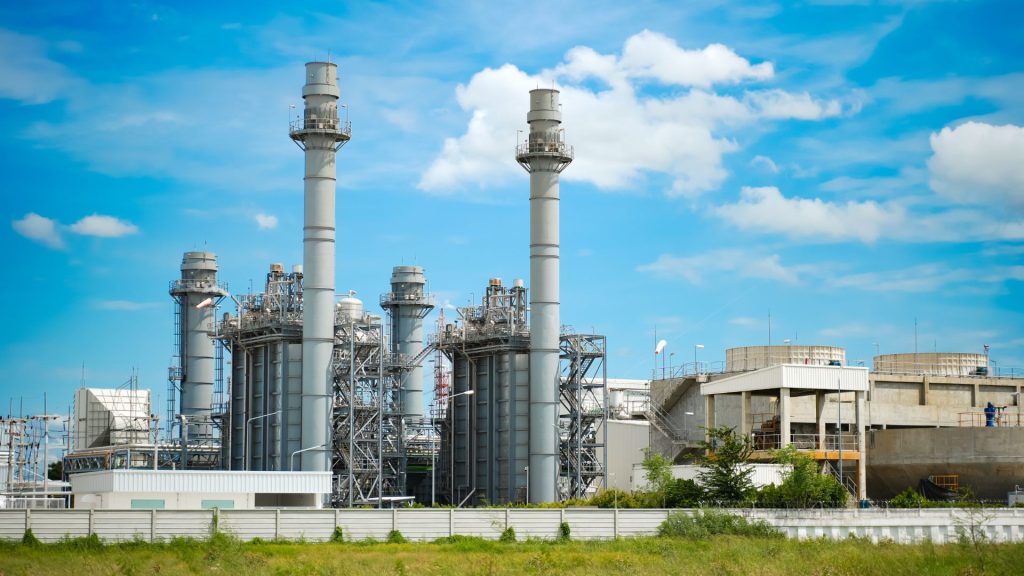
Critical Infrastructure Is Built for Nations, Not Projects
Critical infrastructure systems – oil and gas pipelines, power transmission networks, mass transit systems, and defense communications backbones – exist to serve national development objectives.
They are designed to:
- Generate long-term national revenue
- Deliver uninterrupted public services
- Operate safely under extreme and unpredictable conditions
A recent industry report by Frost & Sullivan clearly defines such assets as Critical National Infrastructure (CNI), systems whose failure can have cascading economic, social, and security consequences. When infrastructure is national in character, availability becomes a strategic obligation, not a technical preference.
This is where governance begins to matter.
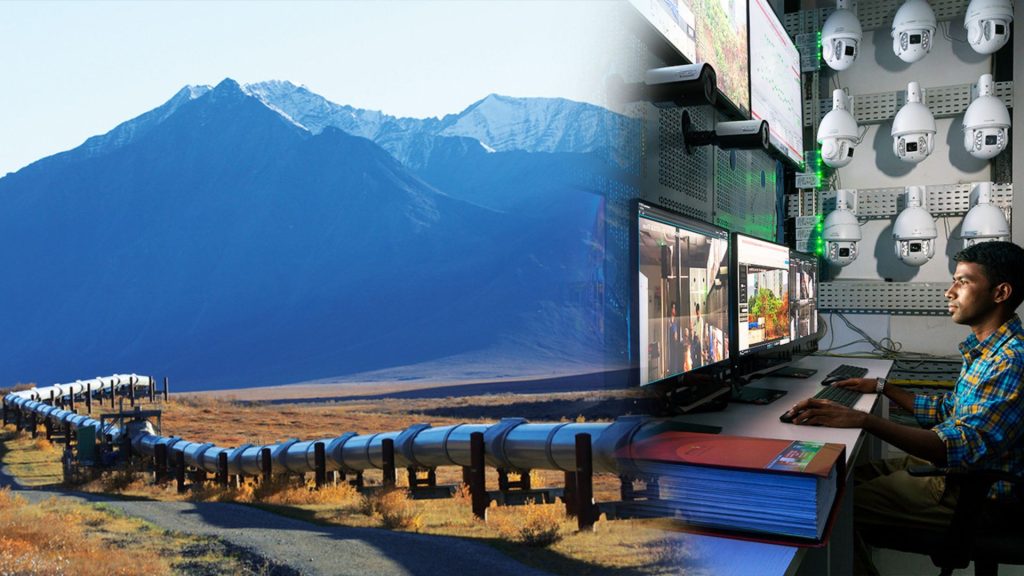
Availability Is a Long-Term Vision Choice
High availability cannot be retrofitted. It must be intentionally designed, and that intention is established long before engineering begins.
Boards and senior leadership shape availability through decisions such as:
- Whether the project is guided by a long-term development vision or short-term cost optimization
- Whether safety and resilience are treated as value enablers or discretionary expenses
- Whether standards are set for design life, reliability, and maintainability, or left to vendor interpretation
In my experience, projects that deliver decades of reliable service are those where governance frameworks explicitly recognize that availability benefits all stakeholders i.e. citizens, investors, employees, regulators, local communities and environment at large. Across critical infrastructure sectors, there is a growing recognition that risk and resilience do not begin with tools or technologies, but with leadership intent, oversight, and accountability.
Availability, when viewed through this lens, is not an engineering cost. It is a societal return on investment.
Governance Sets the Rules Engineers Must Follow
Engineering teams operate within boundaries defined by governance. Company standards, procurement policies, and ownership models all directly shape system availability.
For example:
- A board-mandated requirement for redundancy at system and subsystem levels, with no single points of failure dictated in Company Standards, fundamentally alters architecture choices
- Governance-driven insistence on design safety margins influences equipment selection and layout philosophy
- Early commitment to RAMS (Reliability, Availability, Maintainability, and Safety) studies ensures risks are addressed at concept and FEED stages, not during operations
These are not engineering preferences. They are governance directives, translated into design.
When boards choose to institutionalize availability figures in standards, engineers can design confidently. When they do not, engineers are forced into compromises that surface years later as outages, safety incidents, or costly retrofits.

The Engineering Levers That Reflect Governance Intent
Once governance has set the direction, engineering translates it into reality through well-established practices:
- Redundancy strategies that eliminate single points of failure
- Equipment selection prioritizing industrial-grade, proven technologies and failsafe architectures suited for harsh environments
- Design safety factors aligned with long-term operational stress, not just nameplate ratings
- Integrated RAMS analysis, ensuring availability is measured, modelled, and validated
But it is important to be clear: these are responses to governance choices, not substitutes for them.
No amount of engineering ingenuity can compensate for a governance framework that values initial cost savings over lifecycle resilience.
Availability Does Not End at Commissioning
One of the most persistent myths in infrastructure is that availability is “designed and done.” In reality, availability must be actively preserved throughout operations.
Sustained uptime depends on:
- Well-trained operational and maintenance teams
- Availability of critical spares and lifecycle support
- Continuous monitoring and diagnostics
- Preventive maintenance regimes, not reactive firefighting
- Periodic upgrades aligned with evolving operational risks
The Frost & Sullivan Report highlights how digital communications, integrated monitoring, and predictive maintenance are now foundational to resilient operations. But again, these capabilities only exist when governance has committed to long-term operational excellence, not just project delivery.
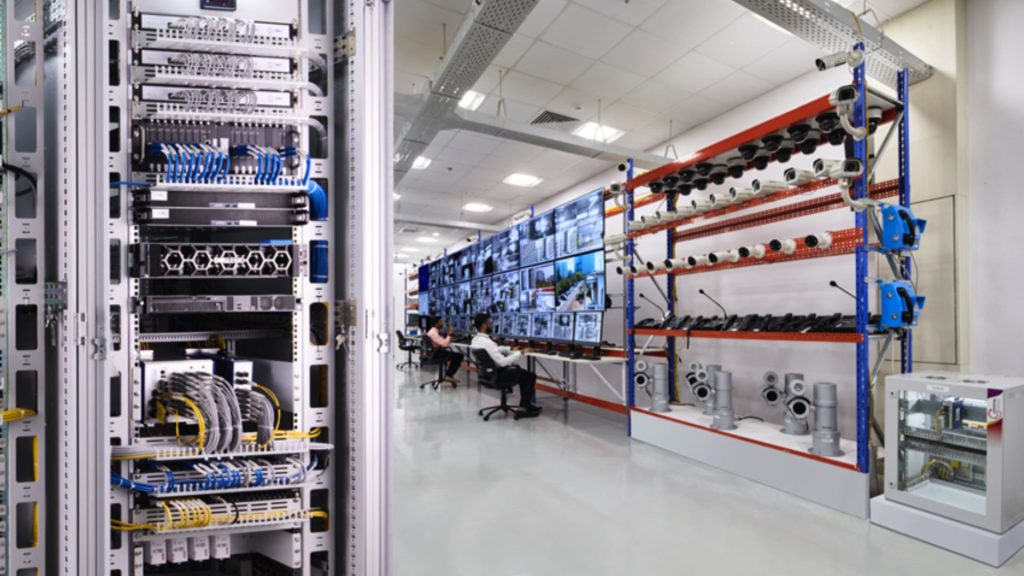
The Cost Myth That Needs to End
After decades in this industry, I can say this without hesitation:
High availability is not an expensive choice. Unreliability is.
Unplanned outages, safety incidents, emergency repairs, reputational damage, and lost public trust cost far more than disciplined investment in resilient design and operations. The difference is that the costs of poor availability are delayed, and therefore often ignored at the decision-making stage.
Strong governance recognizes this asymmetry.
It understands that:
- Safety investments compound over time
- Reliability reduces operational volatility
- Availability protects national and corporate credibility

A Final Reflection
Availability is not something you bolt on after commissioning. It is not something you can outsource to a control room. And it is not something engineering can conjure without the organization’s permission.
High availability and reliable operation are a value choice. A governance choice.
One that pays back over decades – in safety, service continuity, national resilience, and stakeholder trust.
Engineers will always do their part: design, analyze, challenge weak assumptions, and build robust systems. But if we want critical infrastructure that truly serves nations for generations, then we must be honest about where availability really begins.
It begins in the boardroom.