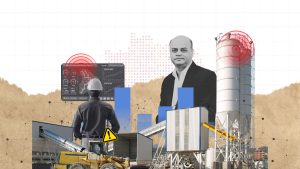
By Shahid Zafar, Senior Manager – Specialist Technical Support group & Competence Dev., Commtel Networks

Infrastructure execution is often viewed through the lens of engineering precision. Across oil fields, offshore facilities, gas compression stations, power transmission networks, and other critical infrastructure environments, teams spend weeks refining network architectures, evaluating communication performance requirements, assessing fibre and wireless technologies, reviewing cybersecurity considerations, and determining how integrated systems should balance connectivity, security, and reliability.
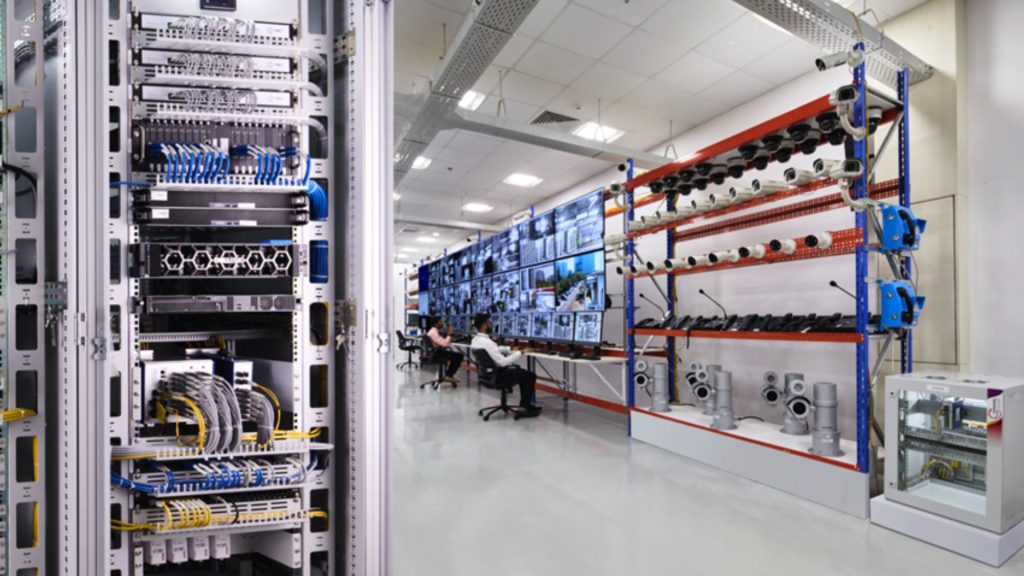
That rigor is essential. Modern critical infrastructure increasingly relies on Integrated Telecom, Security and Safety (ITSS) environments, where communications, security, surveillance, safety, and operational technologies function together to support operational continuity and real-time decision-making. As these environments become more interconnected, the importance of technical planning only increases.
It is therefore natural to assume that successful execution is primarily the result of strong engineering, careful planning, and technical precision. Yet experience across complex infrastructure programmes consistently reveals that the journey from design to deployment is shaped by far more than technology alone.
When the Blueprint Encounters Reality
The moment a project moves from design into a live operating environment, a different set of realities begins to shape execution.
A network may be fully engineered, equipment may be available, and implementation plans may be approved, yet facilities must continue operating, maintain safety standards, coordinate maintenance activities, manage permits, and balance multiple priorities simultaneously. Even the most technically sound solution must ultimately fit operational, safety, and regulatory realities.
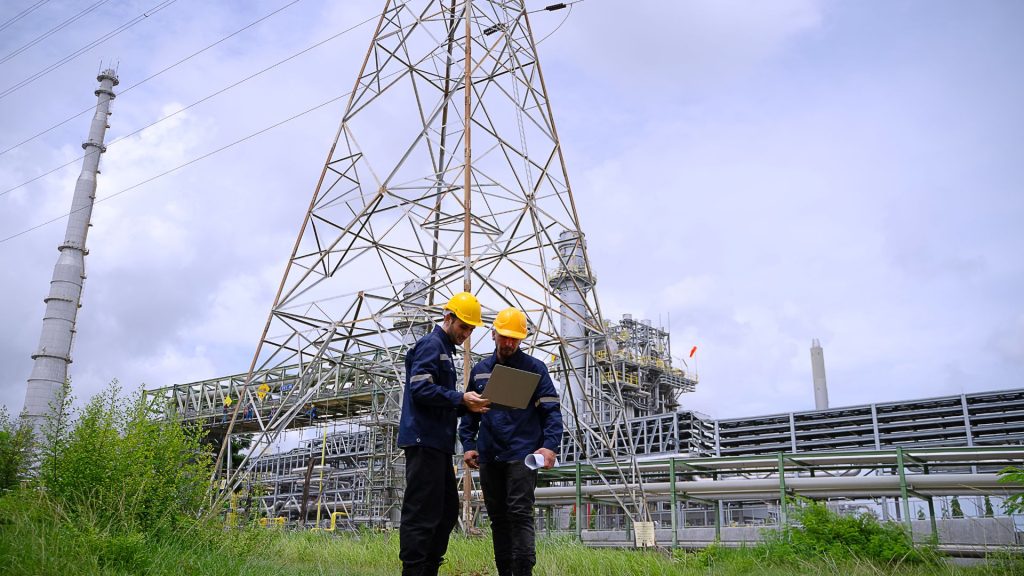
Consider something as straightforward as a fibre route. On paper, the solution may satisfy every technical requirement. Yet if that route passes through an operationally sensitive area, successful deployment may depend on coordination between operations teams, safety personnel, permit authorities, contractors, and site supervisors before work can begin.
The technical solution may be clear. The conditions required to execute it successfully are often not. The configuration may be straightforward. The execution rarely is.
What initially appears to be a technology project often becomes an exercise in navigating operational complexity.
The Similarity Hidden Inside Different Projects
Over time, a recurring pattern becomes difficult to ignore.
Facilities differ. Technologies evolve. Stakeholders change. Yet similar points of friction repeatedly influence whether execution progresses smoothly or encounters delays.
A communications network may be correctly engineered, supported by the necessary equipment, and backed by a clear deployment plan. Yet execution can still slow down when different teams hold different assumptions about where responsibility for integration begins and ends. The challenge is rarely technical capability. More often, it is the absence of alignment around ownership, accountability, and interfaces between functions.
Variations of the same issue appear across projects. Operational teams may become involved too late. Responsibilities may become unclear during handover. Integration boundaries between telecommunications, operational technology, security, and safety functions may be assumed rather than discussed.
The technology changed from project to project. The underlying challenge rarely did.
As infrastructure environments become more integrated, the number of interactions between technologies, stakeholders, and operational functions continues to grow. It is often within those interactions that execution challenges emerge.
What Years of Execution Eventually Revealed
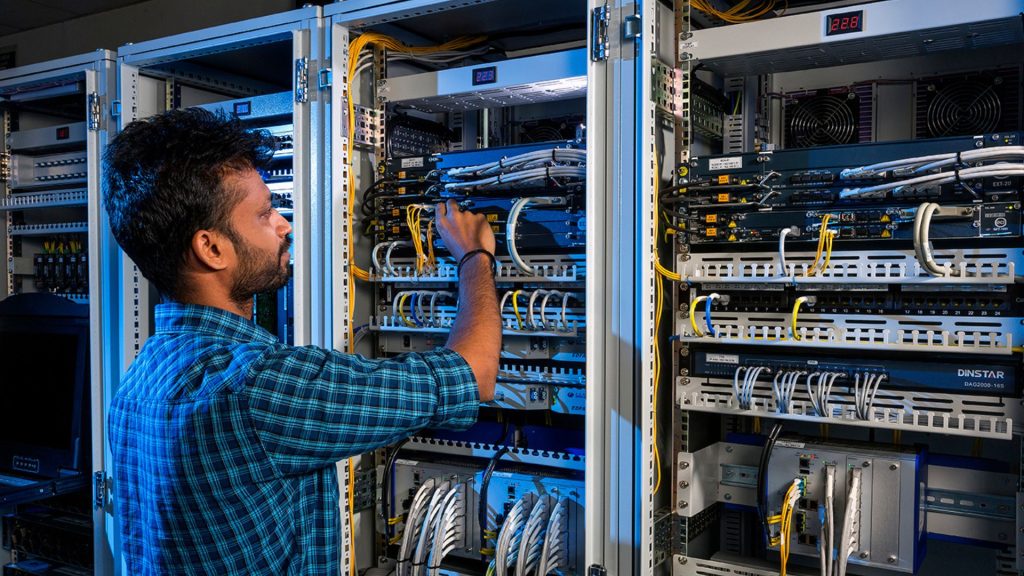
The lesson is not that engineering matters less than many believe. It is that engineering alone rarely determines execution outcomes. Projects do not fail because of wrong configurations. They fail because of wrong conversations.
The decisive moments in infrastructure delivery are often not technical decisions. They are the moments when people with different responsibilities develop a shared understanding of what needs to happen next.
This reality has become increasingly important as critical infrastructure evolves from standalone systems into interconnected operating environments. Telecommunications, security, surveillance, safety systems, and operational technologies no longer function independently. They increasingly operate together, creating greater visibility, resilience, and operational continuity, while also increasing the need for alignment across multiple teams and stakeholders.
As systems become more connected, execution becomes less about managing individual technologies and more about ensuring that the people responsible for those technologies remain aligned throughout the project lifecycle.
The projects that move forward most effectively are rarely distinguished solely by the sophistication of their designs. More often, they are distinguished by the quality of alignment established before complexity has the opportunity to become risk.
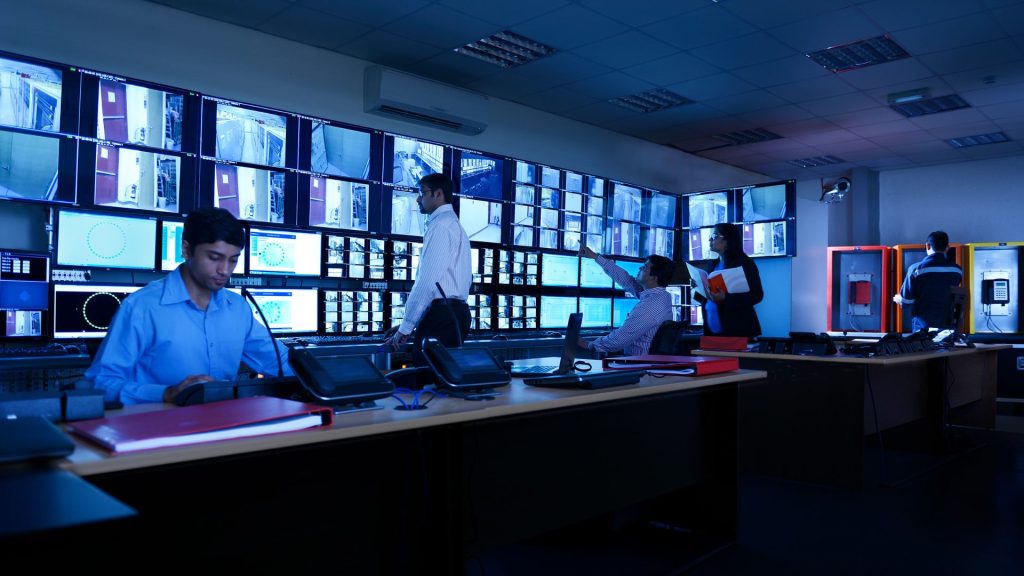
The Conversations That Shape Outcomes Long Before Problems Appear
The most valuable conversations in infrastructure delivery are rarely the ones focused on technology alone.
They are the conversations that help teams understand how technology will function within the realities of a live operating environment. They occur when engineering teams engage operations personnel before mobilisation. They occur when ownership is clarified well before handover. They occur when responsibilities across telecommunications, operational technology, security, safety, and other functions are openly discussed rather than assumed.
They also occur when teams discuss failure before failure happens. Some of the most effective project teams invest as much effort in understanding operational consequences, response procedures, and execution risks as they do in reviewing technical designs. Whether the discussion concerns operational realities, ownership, integration boundaries, risk management, or failure response, the pattern is remarkably consistent: projects move faster and perform better when alignment is established before complexity becomes risk.
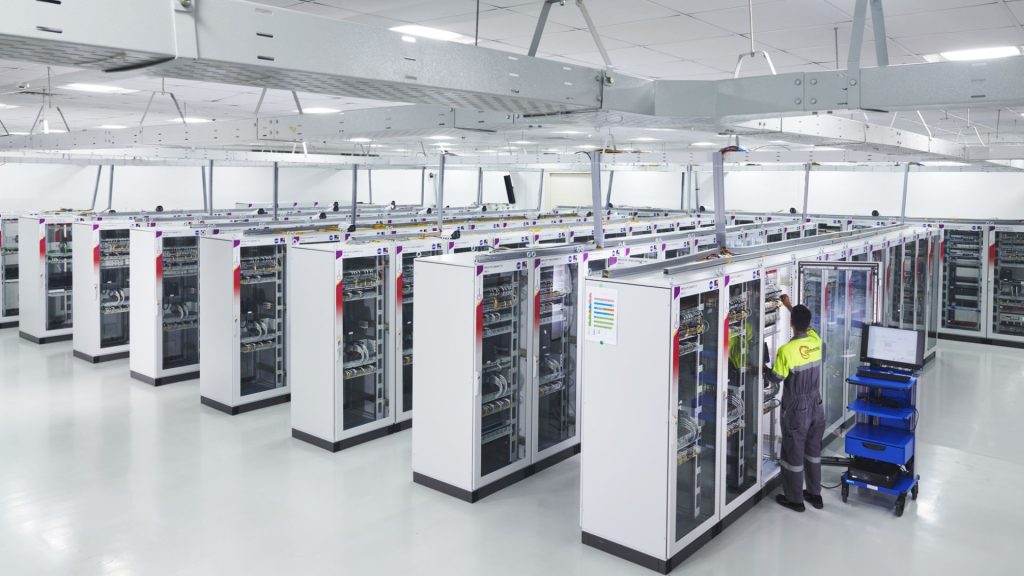
As infrastructure becomes increasingly integrated, execution extends well beyond deployment. It involves coordinating stakeholders, managing interfaces, supporting operational readiness, and ensuring a successful transition into long-term operations.
Conclusion
The technology supporting critical infrastructure will continue to evolve. Networks will become more capable, systems will become more integrated, and operational environments will become increasingly connected.
Yet one reality is unlikely to change.
Infrastructure may be designed through specifications, architectures, and configurations. Successful execution, however, depends on the shared understanding that allows those systems to function in the real world.
Technology configures systems. People execute projects.