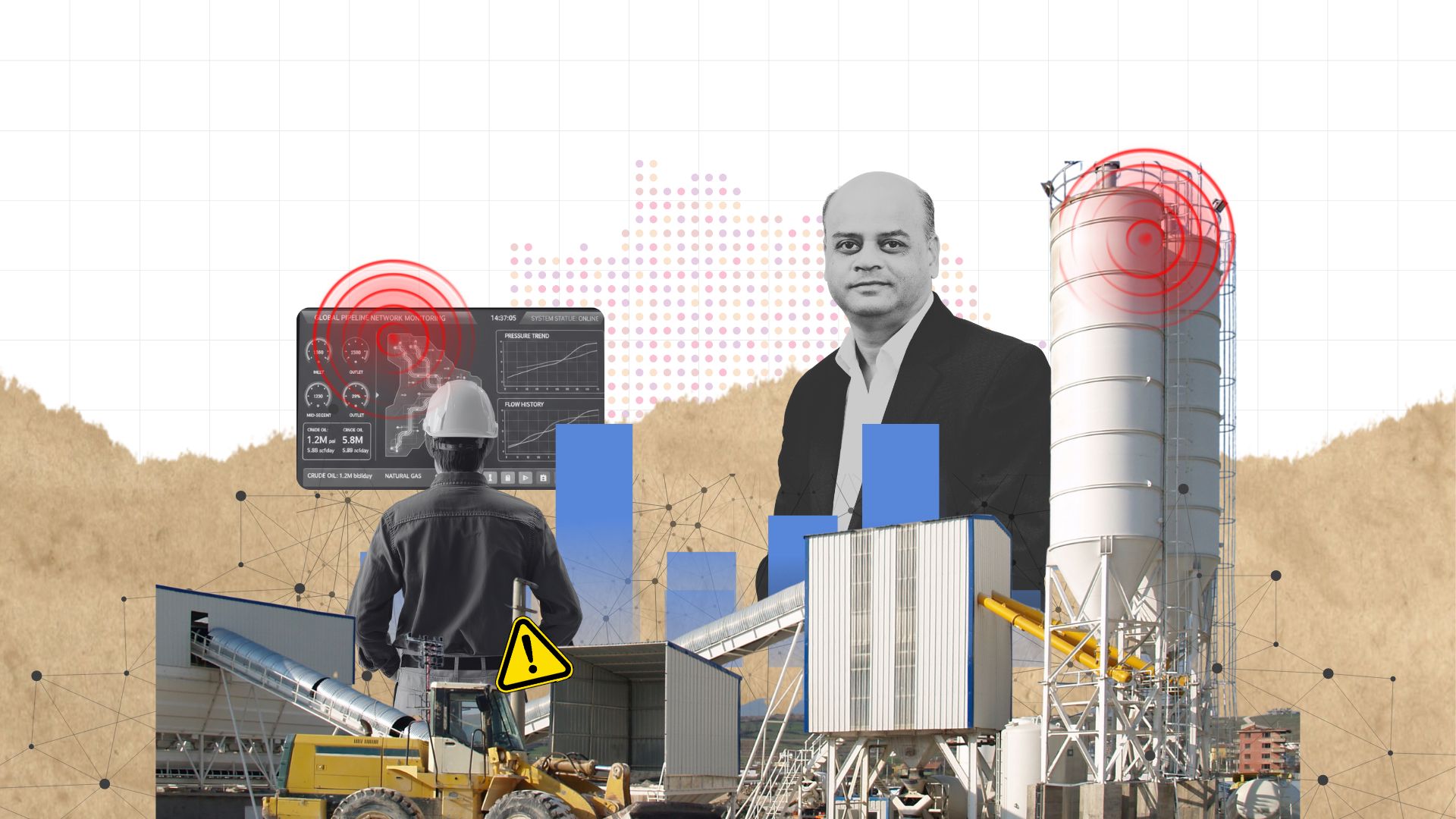
By Vijay Joshi, Chief Operating Officer (India), Commtel Networks

When Energy Systems Are Under Pressure
In critical infrastructural operations, failure is rarely dramatic at first.
It usually begins with subtle signs like, a pressure anomaly on a pipeline, Power line trip on a grid, a delayed signal from a remote terminal or a momentary loss of visibility across a distributed asset network.
To the outside world, nothing appears wrong. To those responsible for operating energy infrastructure, these moments are where risk concentrates. What happens next depends not on the physical asset alone, but on the systems that detect, communicate, and coordinate a response before a small deviation becomes a safety, environmental, or regulatory event.
This is the daily reality of operating Critical National Infrastructure in the energy sector.
Infrastructure Is Only as Reliable as What Connects It
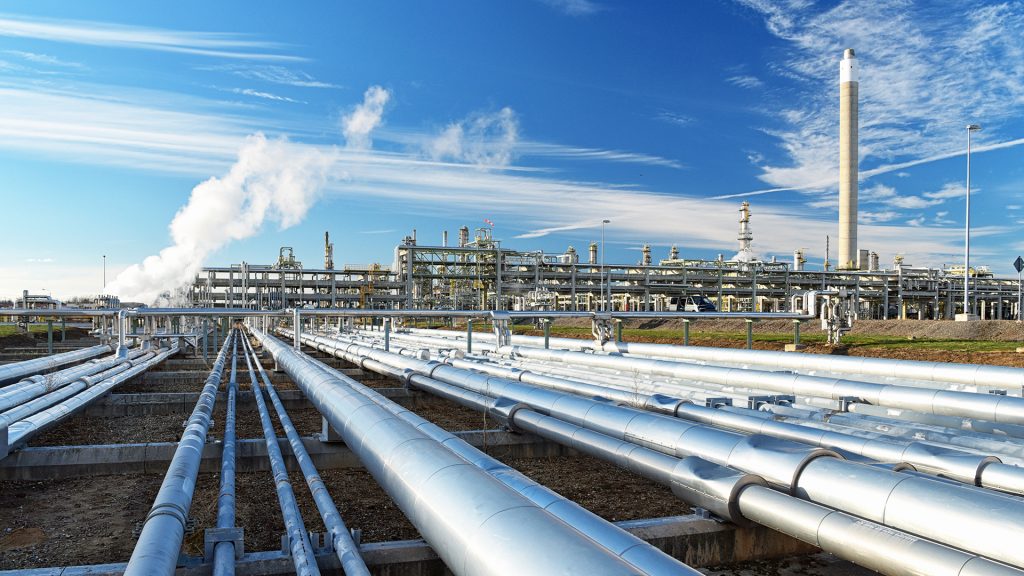
Oil, gas, and power infrastructure is built for long lifecycles and continuous operation. But its reliability is determined by what connects it, not just by what is built.
The systems linking field assets to control environments determine whether issues are detected early or allowed to escalate. They determine whether operators have control or are reacting late.This digital backbone operates largely as an invisible, background layer, that users do not interact with it directly, and it attracts little attention when it functions as intended.
This layer does more than support operations; it determines whether operational risk is managed deliberately or allowed to accumulate unnoticed, often becoming visible only when minor interruptions escalate into larger operational breakdowns.
Integration Is an Accountability Decision, not a Technical One
In energy infrastructure, integration determines how systems behave when conditions are no longer normal.
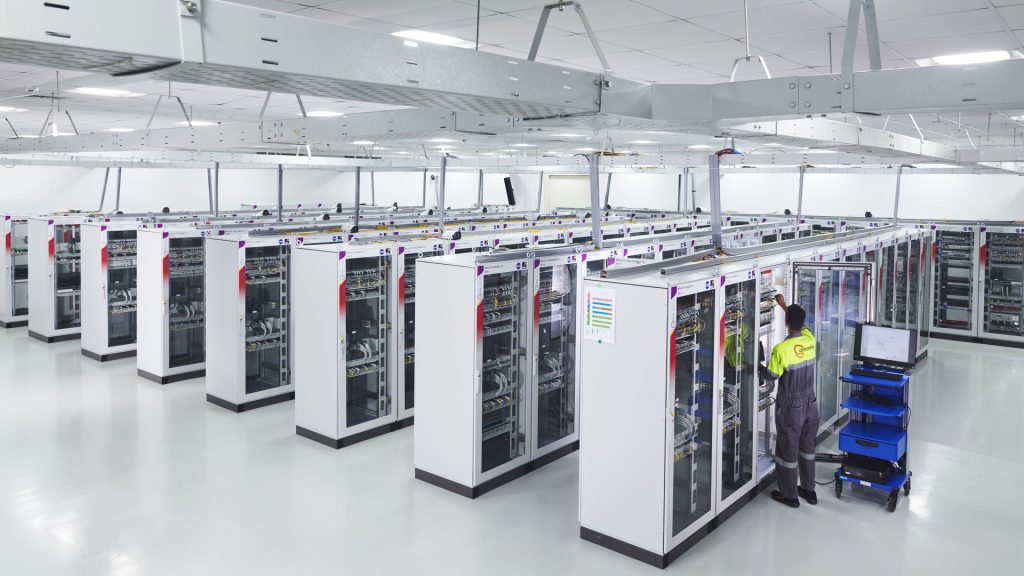
Digital communication systems not only connect field assets, control rooms, and operating teams into a single operating environment. But when designed well, they allow us to see emerging issues early, coordinate responses across sites, and help maintain control as situations evolve.
These decisions are not abstract. Integration choices must work across legacy environments, regulatory constraints, and assets expected to operate reliably over decades. Once systems are live, the room for correction is limited, and the consequences of early decisions become operational realities.
When integration is fragmented, risk does not disappear. It becomes harder to detect, slower to respond to, and more difficult to contain.

When Systems Fail, Accountability Is Immediate
Failures in the digital systems that support energy infrastructure are rarely contained. Loss of visibility or coordination directly affects operational safety, emergency response, and continuity of supply.
For those accountable for operations, focus naturally narrows to recovery time, system dependencies, interoperability between old and new environments, and the convergence of cyber and physical risk. These are not theoretical concerns. They determine how incidents unfold and how organisations are assessed by regulators, stakeholders and the public.

Scale, Regulation and Long-Term Exposure
As oil, gas and power systems expand in scale and complexity, the demands placed on underlying digital infrastructure increase. Secure communications become essential to maintaining compliance, data integrity, and coordinated response across distributed assets.
Automation and remote operations are now integral to modern energy environments. They extend reach and efficiency, but they also increase exposure. Regulatory, cybersecurity, and safety obligations must therefore be addressed through architecture, redundancy, and governance decisions made early in the asset lifecycle.
When these systems are operational, weaknesses in these areas are costly to correct and even more difficult to isolate.
Operating Towards the Future
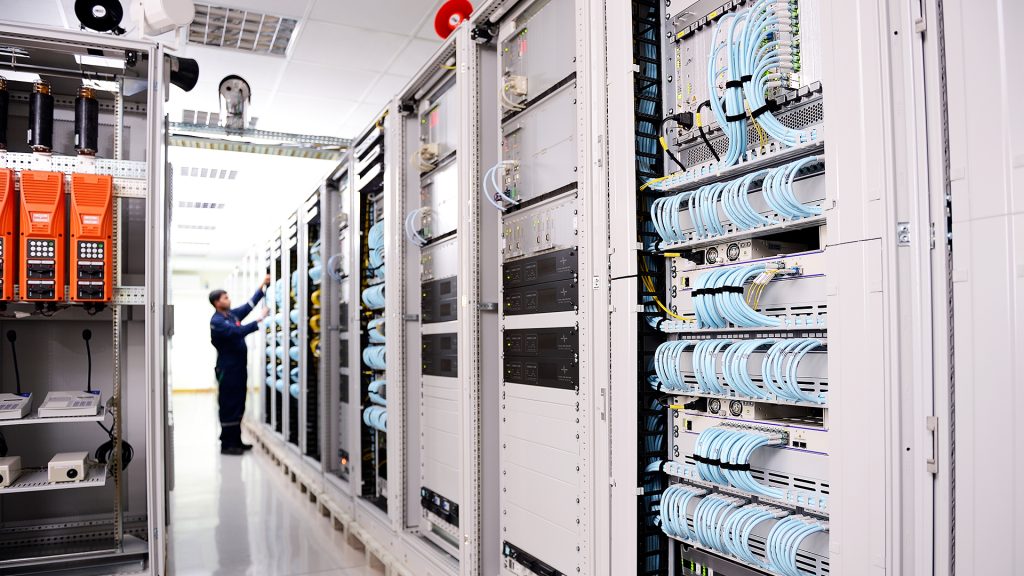
As energy infrastructure becomes more interconnected, responsibility increasingly shifts beyond individual assets. The challenge is no longer limited to operating individual assets efficiently; it is about governing systems that span technologies, organisations, and jurisdictions, often in real time. The invisible backbone of communications, safety, and control systems increasingly determines how infrastructure performs under pressure, especially where scalability, reliability, and security are shaped by how systems are designed and integrated, and where risk is either contained through system and Network redundancy. The real measure is not whether this layer matters, but has it been designed, integrated, and governed to withstand the conditions it will inevitably face.
In the future, infrastructure performance will be judged less by what is built, and more by how well systems hold together when tested. That is the responsibility that defines leadership in Critical National Infrastructure.Decision-makers obsess over invisible infrastructure because it is where risk concentrates, resilience is engineered, and long-term outcomes are quietly decided.