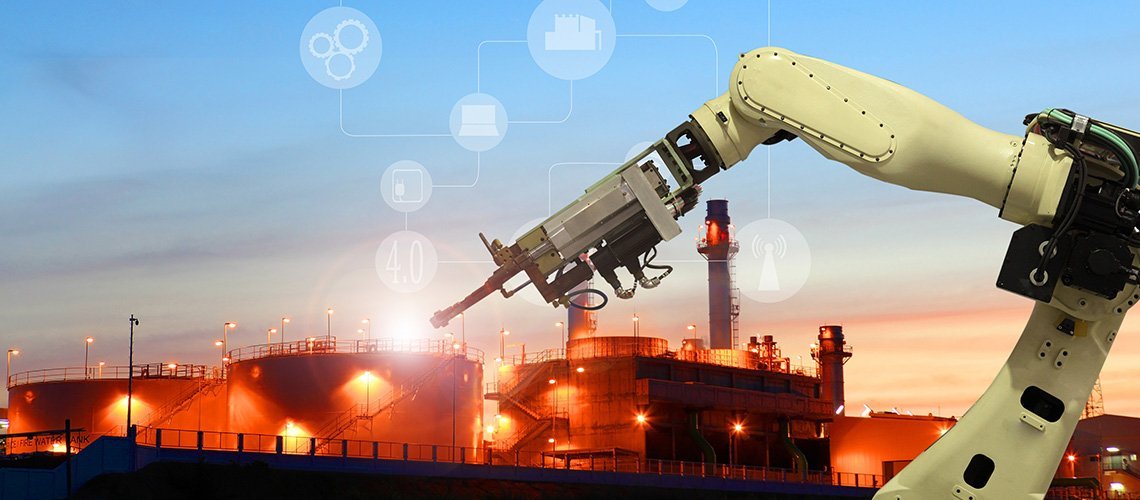
Imagine a robotic dog casually walking around the narrow pathways of a power plant, spotting corrosion before it becomes a crisis. Or a drone fleet scanning large-scale oil pipelines in real-time, alerting operators about microfractures invisible to the human eye.
This isn’t science fiction – it is the emerging reality of robotics in critical infrastructure.
Robotics has come a long way beyond factory automation. Powered by artificial intelligence (AI), machine learning, and advanced sensors, robotics is now central to securing and sustaining essential services across energy, telecommunications, transportation, and utilities. As infrastructure becomes smarter, robotics is leading the transformation, ensuring safety, resilience, and efficiency at a scale never seen before.
What’s Next for Robotics in Critical Infrastructure?
The coming years will be defined by robots that are more autonomous, intelligent, and deeply integrated with digital infrastructure. Below are five transformative trends already reshaping the landscape.
1. Autonomous Security Robots: The New Front Line
- As physical and cyber threats converge, autonomous robots are becoming 24/7 guards for critical sites.
- AI-enabled robots can now patrol facilities, identify anomalies, and react in real-time, often faster than human teams.
- Companies like Anduril Industries are pioneering robotic surveillance systems that integrate with wider security ecosystems.
- Various reports suggest that, by 2030, over 50% of critical infrastructure facilities globally will employ autonomous robotic security solutions.
2. AI + ML in Robotics: From Detection to Prediction
- The true value of robotics lies in its ability to not just observe, but also foresee failures.
- Robots equipped with machine learning can analyze massive volumes of sensor data to predict faults much before they occur.
- Use cases include detecting stress fractures, corrosion, or leaks long before human inspection would spot them.
- Pairing robotics with predictive analytics turns maintenance from a reactive task into a strategic proactive asset protection tactic.
3. Inspection & Maintenance: Reaching the Unreachable
- Traditional inspection usually involves human risk and downtime. Robotics transforms this model.
- Gecko Robotics has developed robots that climb vertical industrial surfaces to assess structural integrity in real-time.
- Boston Dynamics’ Spot navigates hazardous environments with ease, collecting high-quality data without disrupting operations.
- Soft robotics and snake-like bots are exploring the pipelines, underwater tunnels, and confined spaces.
4. The IoT-Robotics Fusion: Smarter Systems, Faster Decisions
- Robotics is becoming the physical extension of IoT systems; sensing, processing, and acting in real time.
- Integrated with smart sensors, robotic systems can provide live structural health monitoring and automated response.
- In smart cities, this means faster traffic incident response, predictive infrastructure management, and autonomous inspections.
- Soon, robotic-IoT ecosystems will form the backbone of future urban infrastructure management.
5. Disaster Response & Risk Mitigation: The Ultimate Test
- Robotics truly proves its worth when conditions are too dangerous for humans.
- In post-disaster zones, AI-powered robots can assess structural damage, find survivors, and guide responders.
- Boston Dynamics and emergency agencies are now training robotic units for wildfire zones, earthquakes, and chemical leaks.
- In the coming years, autonomous disaster-response robots could become as standard as fire trucks in high-risk areas.
Robotics at Work: Global Leaders and Initiatives
Several global players are already operationalizing robotic technologies at scale:
- Gecko Robotics: Securing power grids with wall-climbing inspection bots.
- Anduril Industries: Defending borders and infrastructure with autonomous towers and surveillance drones.
- Ondas Autonomous Systems (OAS): Providing 24/7 robotic security to data centers and semiconductor sites.
- Boston Dynamics: Deploying agile robots for inspections, partnered with firms like Assa Abloy for facility access.
- Nokia & Swisscom: Operating 300+ AI-powered drones across Switzerland in a Drones-as-a-Service (DaaS) model.
Impact on Infrastructure Business
1. Cost Reduction + Operational Uptime
- Robots significantly reduce manual inspection costs and minimize downtime by proactively identifying issues.
- Predictive maintenance powered by AI reduces breakdowns and extends asset life.
- Result: lower OPEX, higher reliability.
2. Elevated Security and Resilience
- Robotic surveillance minimizes human error and covers more ground continuously.
- In high-risk zones, robots reduce personnel exposure and improve crisis response.
- Bonus: Data collected becomes part of long-term threat analytics.
3. Regulation and Responsibility
- As robotics becomes widespread, businesses must align with AI governance, cybersecurity, and aviation regulations.
- Ethical concerns like privacy and workforce displacement require clear policy frameworks.
- Proactive governance will distinguish leaders from laggards in adoption.
Conclusion: Robotics as the Infrastructure Edge
We are at the cusp of a new infrastructure paradigm where intelligent, autonomous systems are as essential as steel and concrete. As nations race to modernize, robotics will define how we inspect, protect, and endure our critical assets.
Robotics is no longer an emerging trend; it is the new infrastructure imperative. The organizations that embrace it now won’t just survive, they will lead the next wave of innovation and resilience in an increasingly automated world.