By Rohit Pandey, Director & Vice President – Business Development & Sales, Commtel Networks
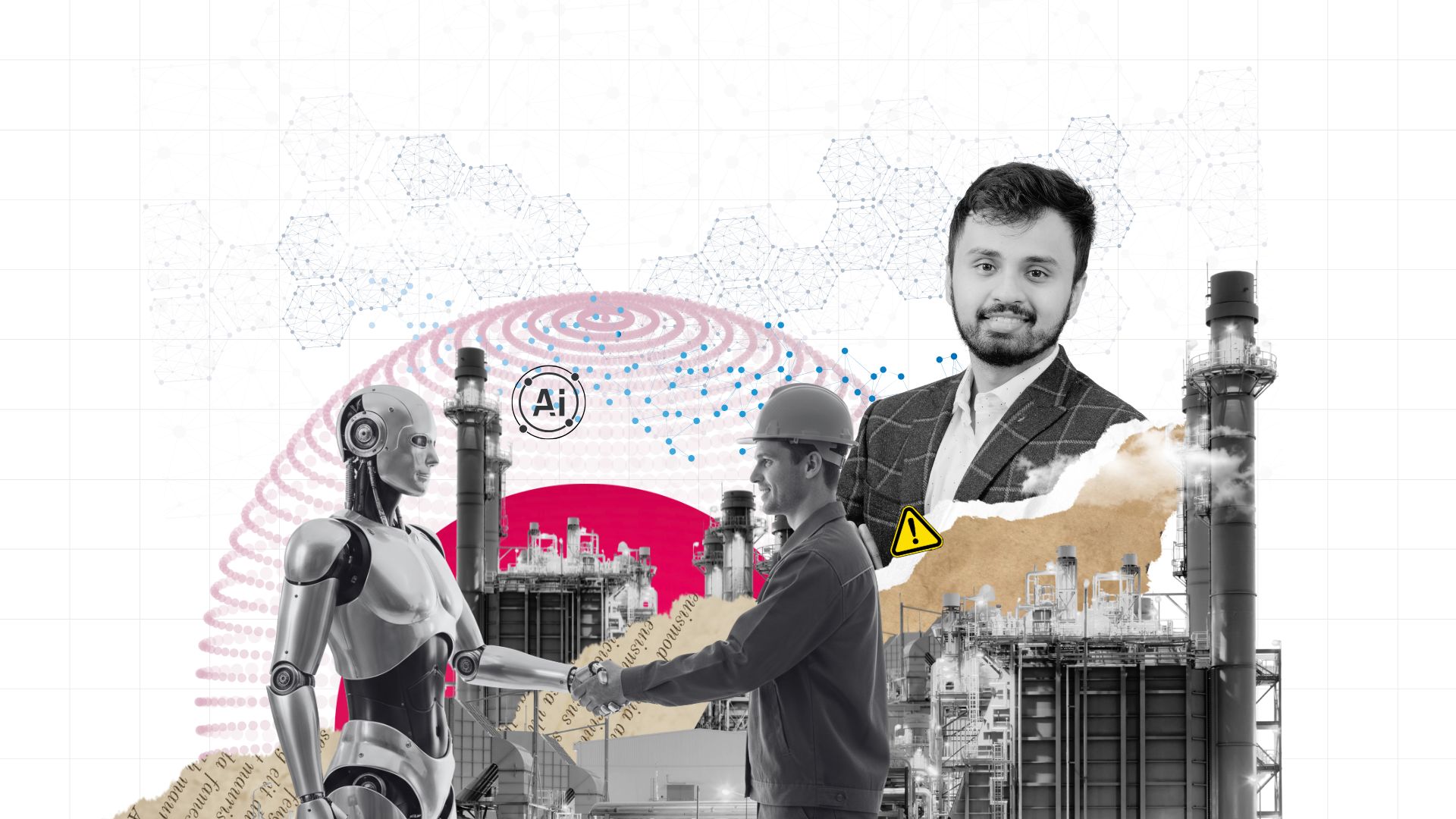
There is a common narrative surrounding AI today that it is here to automate, replace, and eventually take over operational control. I see this slightly differently.
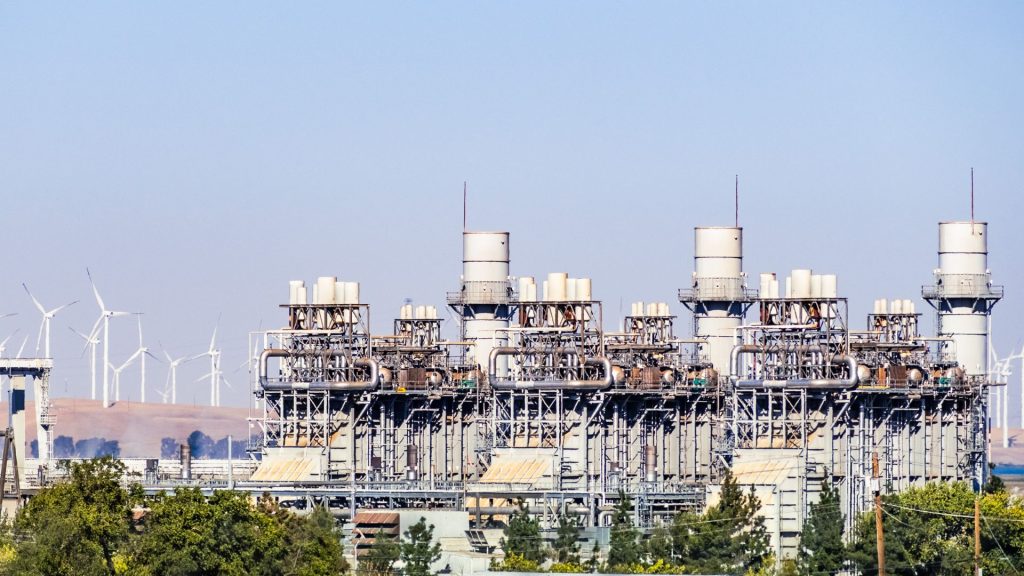
In energy facilities and telecom backbone environments, the challenge has never been the absence of data. It is the overload of it. Hundreds of alarms, multiple independent systems, and disparate feeds from telecom, access control, and monitoring platforms operate simultaneously. Each system performs its function, yet together they create layers of complexity that demand constant attention.
In such environments, clarity does not come from adding more automation. It comes from connecting information intelligently. This is where AI is beginning to reshape Integrated Telecom, Security, and Safety Systems. Not by replacing human control, but by strengthening it.
AI as a Context Engine, not a Command Engine
In large critical infrastructure environments, no single system operates in isolation. A network anomaly may coincide with a physical access alert. A temperature fluctuation may precede a telecom disruption. A surveillance event may relate to activity across multiple zones. Traditionally, these appeared as separate alarms, leaving operators to interpret relationships under time pressure.
From an operational standpoint, this is where AI has begun to add real value. It correlates inputs across telecom networks, CCTV, access control, PA and GA, fire and gas systems, radio communication, and monitoring platforms. It brings related signals into a unified view and surfaces patterns that might otherwise remain buried in operational noise.
The distinction, however, is critical. AI does not decide. It does not command. It does not replace the control room.
What it does is answer a disciplined question: What is happening, and why might it matter? The action still rests with the operator. In mission-critical ecosystems, that difference is fundamental. AI functions as a context engine. Authority remains human.
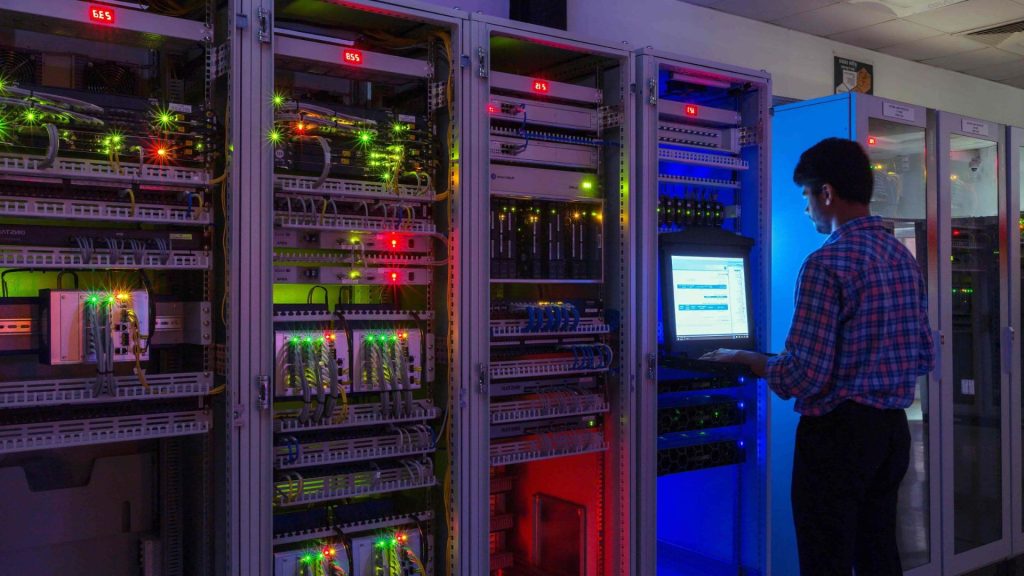
Early Detection and Anomaly Recognition as the Real Operational Value
The true strength of AI in ITSS environments is not autonomy. It is anticipation. Critical National Infrastructure forms the backbone of economic stability and national security, and its disruption can create cascading effects across sectors.
In such environments, waiting for visible failure is not acceptable. AI enhances operations by detecting abnormal behaviour in networks and devices, identifying subtle deviations in physical zones, recognizing weak signals that may precede system failures, and reducing false alarms that overwhelm operators.
Within the industry, we understand how quickly alarm fatigue can set in. When hundreds of notifications surface daily, the risk is not lack of information. It is overlooking the one signal that truly matters. AI acts as a second layer of vigilance. It filters noise and highlights areas that deserve attention.
But it does not interpret intent. Only a human can evaluate risk, consequence, and context within the broader operational landscape. AI strengthens awareness. Human judgment determines response.

Decision Support, Not Autonomous Decision-Making
In critical infrastructure, decisions are rarely simple. They carry legal, financial, operational, and sometimes national security implications. Shutting down a pipeline, isolating a telecom backbone, triggering a safety response, or escalating to emergency authorities are actions that cannot be reduced to automated triggers.
AI supports decision-making by structuring relevant data, correlating cross-domain signals, and shortening the time between detection and awareness. It improves visibility and provides a clearer operational picture. In my experience, that clarity alone can significantly improve response discipline.
However, the authority to act remains human. Even where predefined SOPs allow limited and controlled automation, ownership of action remains traceable and accountable. AI may shorten the decision cycle, but it does not replace the decision owner. In critical environments, accountability cannot shift from people to code.
The Evolving Role of the Control Room
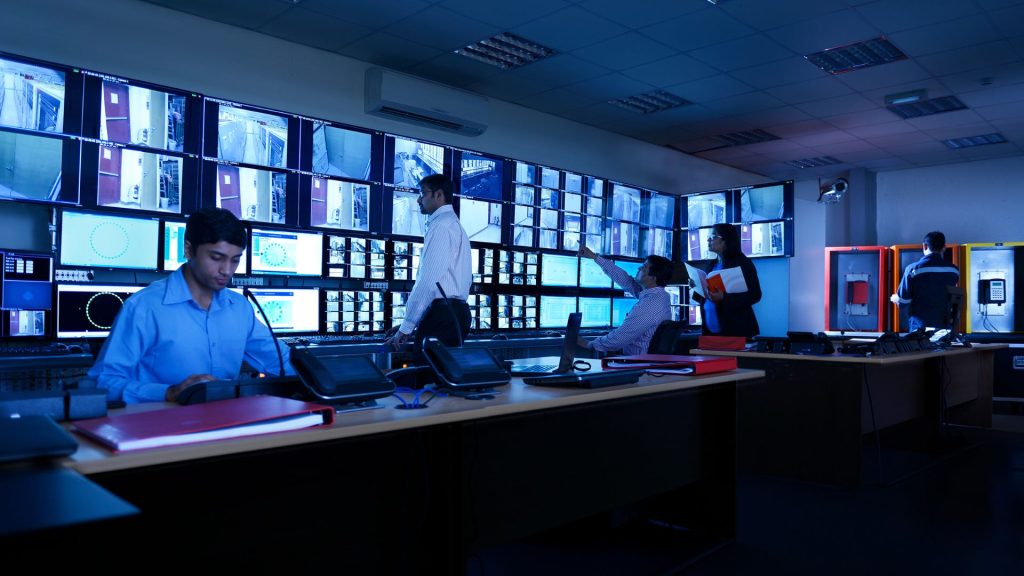
There is a misconception that AI will eventually make control rooms obsolete. What is emerging instead is greater cohesion across systems. Control rooms are moving from reactive alarm hubs toward more informed command environments.
AI reduces noise, redundant alerts, blind spots, and the manual effort required to correlate information across systems. At the same time, it strengthens situational awareness, improves decision clarity, enhances cross-system visibility, and supports operational resilience.
In sectors such as oil, power and gas, reliability is not optional. The objective is not autonomy for its own sake. The objective is resilience. And resilience depends on informed human judgment.
AI is becoming a trusted partner for the professionals who operate and safeguard national infrastructure. It enhances visibility and sharpens response. But responsibility remains with those entrusted with the asset.
AI may accelerate the signal. Human judgment remains the command authority.